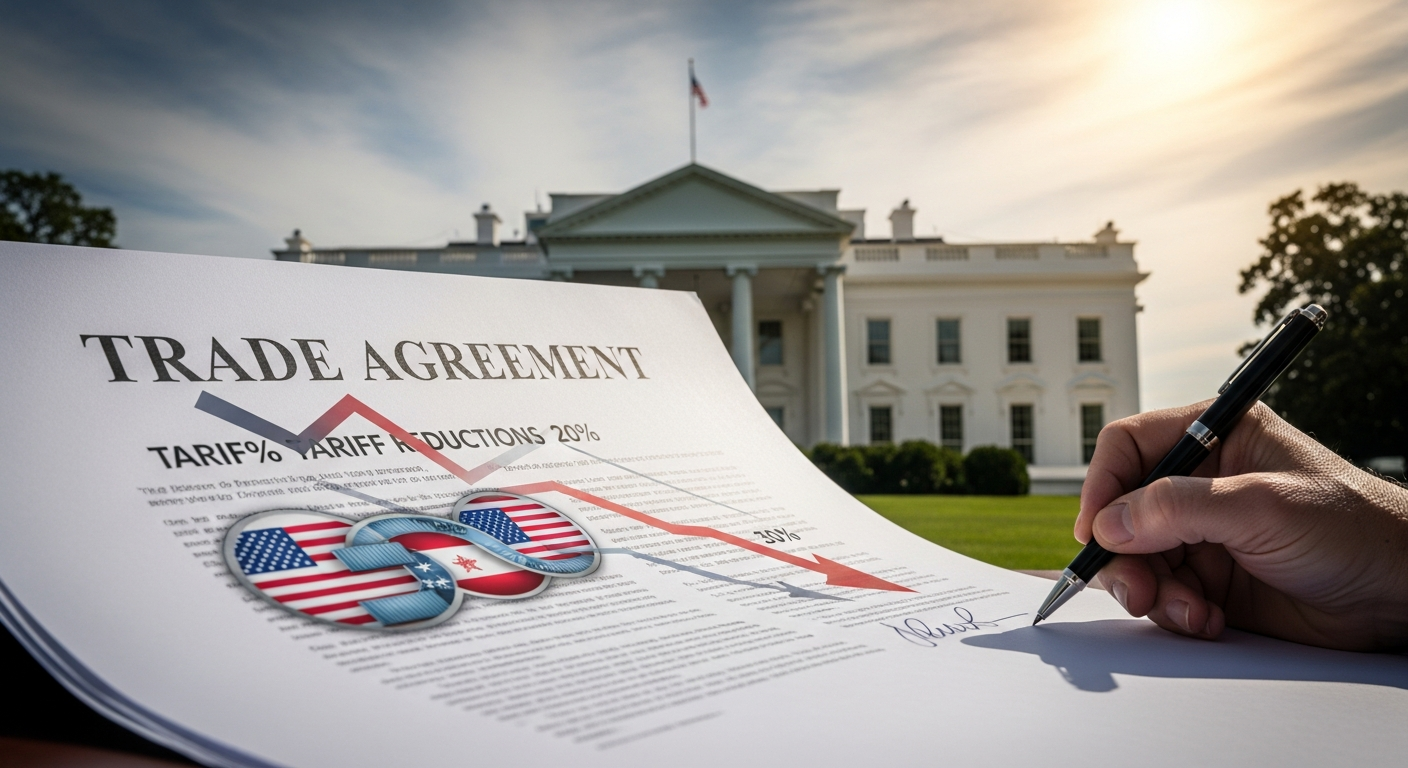
The air in the briefing room felt different today, less charged somehow. Or maybe it was just the late afternoon light hitting the polished wood. Either way, the announcement hung in the air: the White House was rolling out new trade deals.
These deals, they said, would bring tariff reductions on certain imports. The countries involved? Ecuador, Guatemala, El Salvador, and Argentina. That was the headline, the core of the matter, at least as far as the official statements went. It was a move, officials hoped, that would ease some of the economic pressures.
Of course, the details matter. Exactly which imports? How much of a reduction? Those specifics, the kind of things that really matter in the long run, were still being parsed. But the initial response, as per reports from several news outlets, seemed cautiously optimistic.
The announcement itself came just after 3 PM, on a Tuesday. The room was packed, as usual, with the usual suspects — reporters, analysts, a few faces I didn’t recognize. The Secretary of Commerce, or someone from their office, was there, but the main point was clear: new deals, fewer tariffs.
A witness mentioned to reporters that this was the culmination of months of negotiation, a delicate dance of give and take. The goal, apparently, was to foster better trade relationships, and, by extension, boost the economy. The numbers, though, are always the key, which will take time to be fully realized.
Still, the mood was… well, not exactly celebratory. More like a quiet acknowledgment of something significant. A step forward, maybe. Or maybe I’m misreading it.
The White House, in a statement released later, emphasized the benefits of these deals. They pointed to increased market access and potential growth, a sentiment echoed by some economists, but it all remains to be seen. The impact, they said, would be felt in the coming months.
And, for now, that’s where things stand. A new chapter, perhaps. Or just another page in a very long book.
About the Author