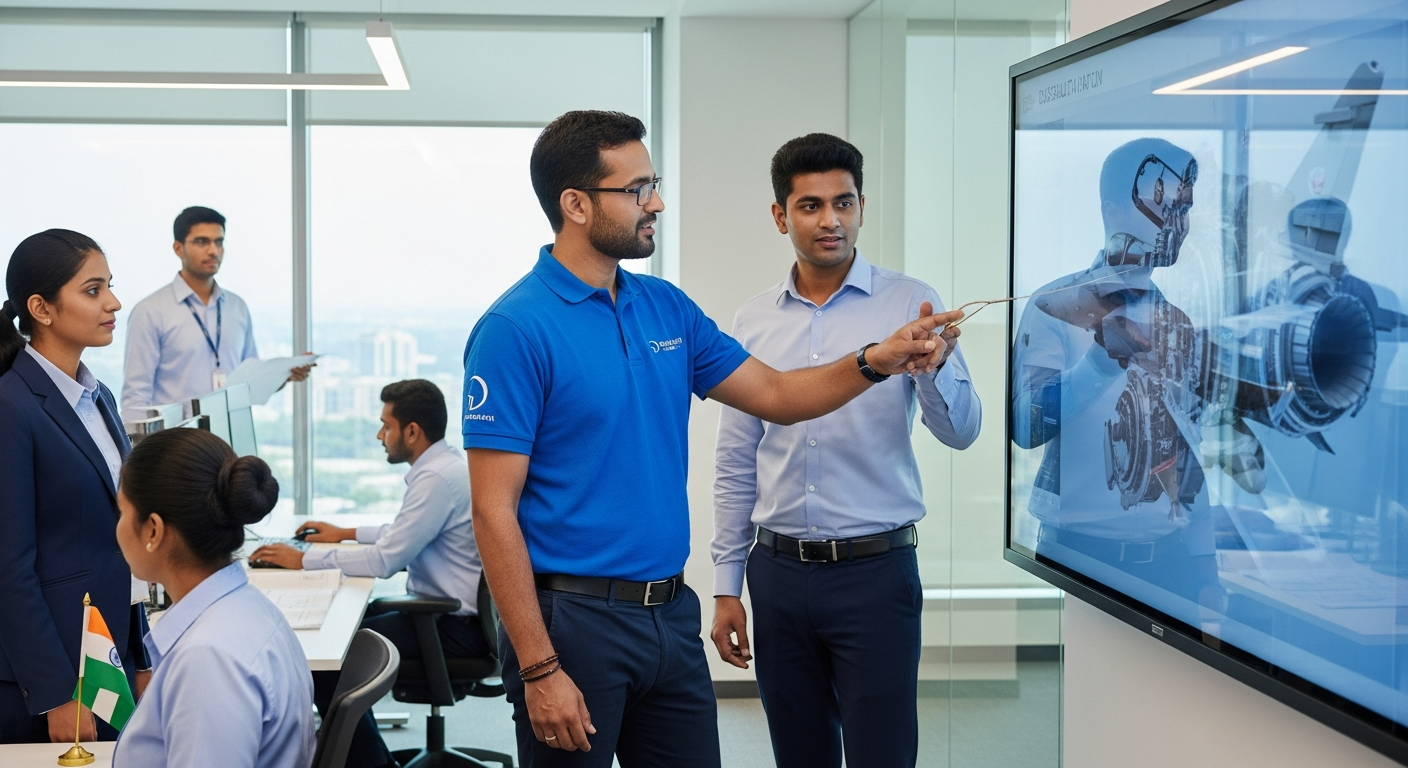
Dassault Aviation Expands in India, Boosting Engineering and Local Talent
In a strategic move that underscores its long-term commitment, Dassault Aviation is doubling its engineering footprint in India. This expansion isn’t just about increasing capacity; it’s a calculated investment in local expertise, designed to enhance internal operations and meet critical obligations. This development, as reported by Top ET Manufacturing, signals a significant step forward for both Dassault and the Indian aerospace sector.
Commitment to Local Expertise
The core of this expansion revolves around a dedication to developing local expertise. Dassault Aviation recognizes the immense potential within India’s engineering talent pool. By investing in this area, the company aims to foster a skilled workforce capable of contributing to the design, development, and maintenance of advanced aerospace technologies. This approach aligns with a broader industry trend of leveraging regional strengths to drive innovation and efficiency.
Fulfilling Offset Obligations and the Rafale Contract
A key driver behind this expansion is the fulfillment of offset obligations tied to the Rafale contract. This high-profile deal necessitates that Dassault Aviation invests a portion of the contract value back into the Indian economy, often through technology transfer and local manufacturing or engineering partnerships. By growing its engineering capabilities in India, Dassault is directly addressing these obligations, demonstrating its commitment to the terms of the agreement.
Enhancing Internal Operations
The expansion also aims to enhance Dassault’s internal operations. Bringing more engineering work to India allows for greater flexibility, access to a competitive talent pool, and the potential for cost efficiencies. This strategic realignment is expected to streamline processes, improve collaboration, and ultimately contribute to the overall success of Dassault’s global operations. This is a clear indicator of Dassault’s forward-thinking approach to global business dynamics.
Conclusion
Dassault Aviation’s decision to double its engineering footprint in India is a win-win scenario. It not only strengthens Dassault’s position in the global aerospace market but also contributes to the growth of India’s engineering sector. This move reflects a strategic vision that prioritizes local partnerships, technological advancement, and the fulfillment of contractual obligations. As the aerospace industry continues to evolve, initiatives like this will undoubtedly play a crucial role in shaping its future.
About the Author




