Ryanair CEO Slams U.K. Government’s Travel Tax Plans
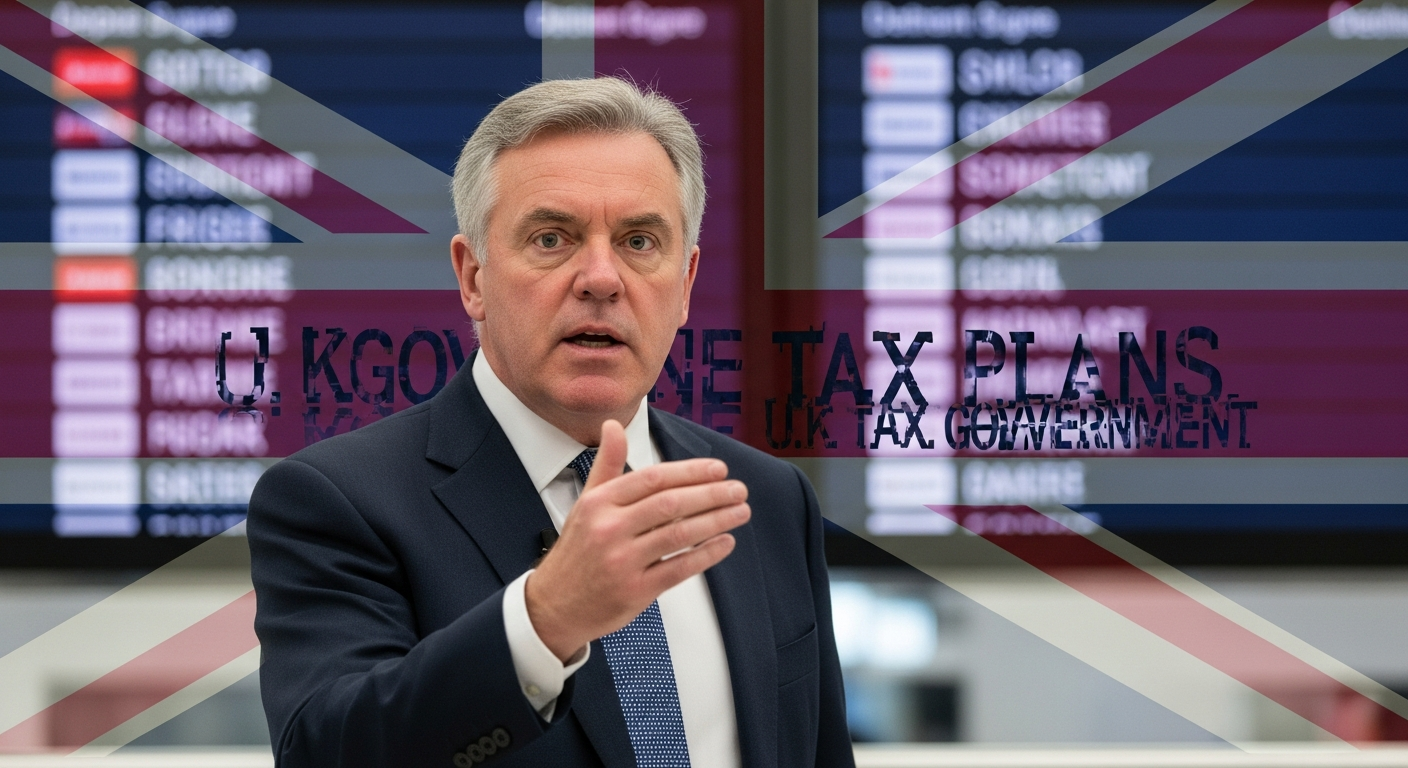
In a move that underscores the ongoing tensions between airlines and governments, Ryanair CEO Michael O’Leary on Monday, November 3, 2025, sharply criticized the U.K. government’s proposal to increase travel taxes. This strong reaction highlights the potential impact of such policies on the aviation industry and the traveling public.
O’Leary’s Harsh Criticism
The Ryanair CEO did not mince words, directly attacking the U.K. government’s stance on travel taxes. His comments reflect a broader concern within the aviation sector about policies that could potentially stifle growth and increase costs for consumers. O’Leary’s strong condemnation suggests a significant disagreement on the future of travel taxation and its implications for the industry. The core of his argument, as reported by CNBC, revolves around the belief that these tax increases are detrimental.
The Impact of Travel Taxes
The central issue at hand is the proposed increase in travel taxes within the U.K. context. The implications of these taxes are multifaceted, potentially affecting both airlines and travelers. Higher taxes can lead to increased ticket prices, which may, in turn, reduce demand for air travel. The impact could be felt across various segments of the aviation sector, from low-cost carriers like Ryanair to larger, more established airlines. O’Leary’s criticism points to the potential negative consequences of this policy on both the industry’s profitability and the affordability of air travel for consumers.
The Broader Business and Political Context
This situation also reflects the complex relationship between the aviation industry, government policies, and the broader economic environment. The U.K. government’s decision is likely driven by various factors, including the need to generate revenue, address environmental concerns, or influence travel patterns. On the other hand, airlines like Ryanair are primarily focused on maintaining profitability and providing affordable travel options. The clash between these objectives underscores the challenges of balancing economic goals with regulatory measures.
Conclusion
Michael O’Leary’s strong criticism of the U.K. government’s travel tax plans highlights the ongoing debate about the financial and economic sustainability of the aviation industry. As this issue develops, it is crucial to consider the potential impacts on airlines, travelers, and the broader economic landscape.
About the Author