Delhi’s Air Quality Crisis: AQI Soars, Health Concerns Mount
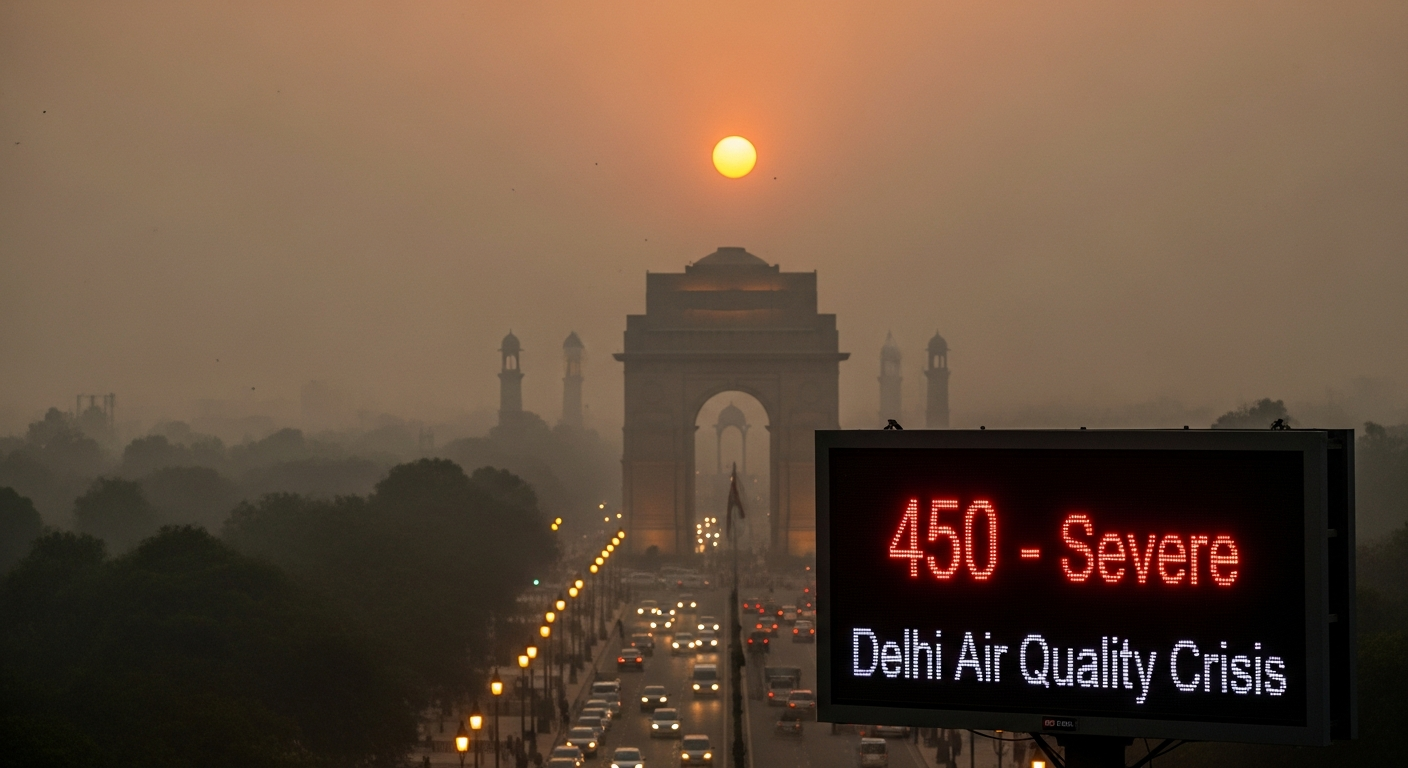
The air quality in Delhi has deteriorated significantly, raising serious health concerns for residents. The Air Quality Index (AQI) has surged past 350, indicating hazardous levels of pollution. This ongoing crisis is impacting the Delhi-NCR region, where dense smog has become a common sight. The situation has prompted health advisories and political reactions, as authorities and citizens alike grapple with the consequences.
The Alarming Rise in Pollution
The primary issue is the alarming rise in air pollution. The concentration of pollutants has reached dangerous levels, posing significant health risks. This situation is further compounded by the dense smog that has enveloped the Delhi-NCR region. The Delhi Government and health officials are closely monitoring the situation, issuing warnings and advisories to protect public health.
Monitoring and Response
The air quality is being monitored through multiple centers. Out of the 39 air quality monitoring centers in Delhi, only seven are currently reporting data. This monitoring effort is crucial for understanding the extent of the pollution and implementing appropriate measures. The primary focus is on monitoring the Air Quality Index (AQI) to assess the level of pollutants in the air. The Delhi Government, along with other stakeholders, is working to address the issue.
Political Reactions and Public Health Concerns
The deteriorating air quality has also sparked political reactions. Manish Sisodia has criticized the Delhi Government, highlighting the severity of the situation. This political discourse underscores the urgency of the problem and the need for effective solutions. The primary concern is the potential health impact on the population, especially vulnerable groups like children, the elderly, and those with pre-existing respiratory conditions. The health risks associated with prolonged exposure to polluted air include respiratory illnesses, cardiovascular diseases, and other serious health issues.
Conclusion
The air quality crisis in Delhi demands immediate attention and effective measures to mitigate the risks. The high AQI levels and dense smog highlight the need for comprehensive strategies to address the root causes of pollution and protect public health. The situation requires continuous monitoring, proactive measures, and collaborative efforts from the Delhi Government and other relevant stakeholders. The health and well-being of Delhi’s residents are at stake, and urgent action is essential to safeguard them.
About the Author