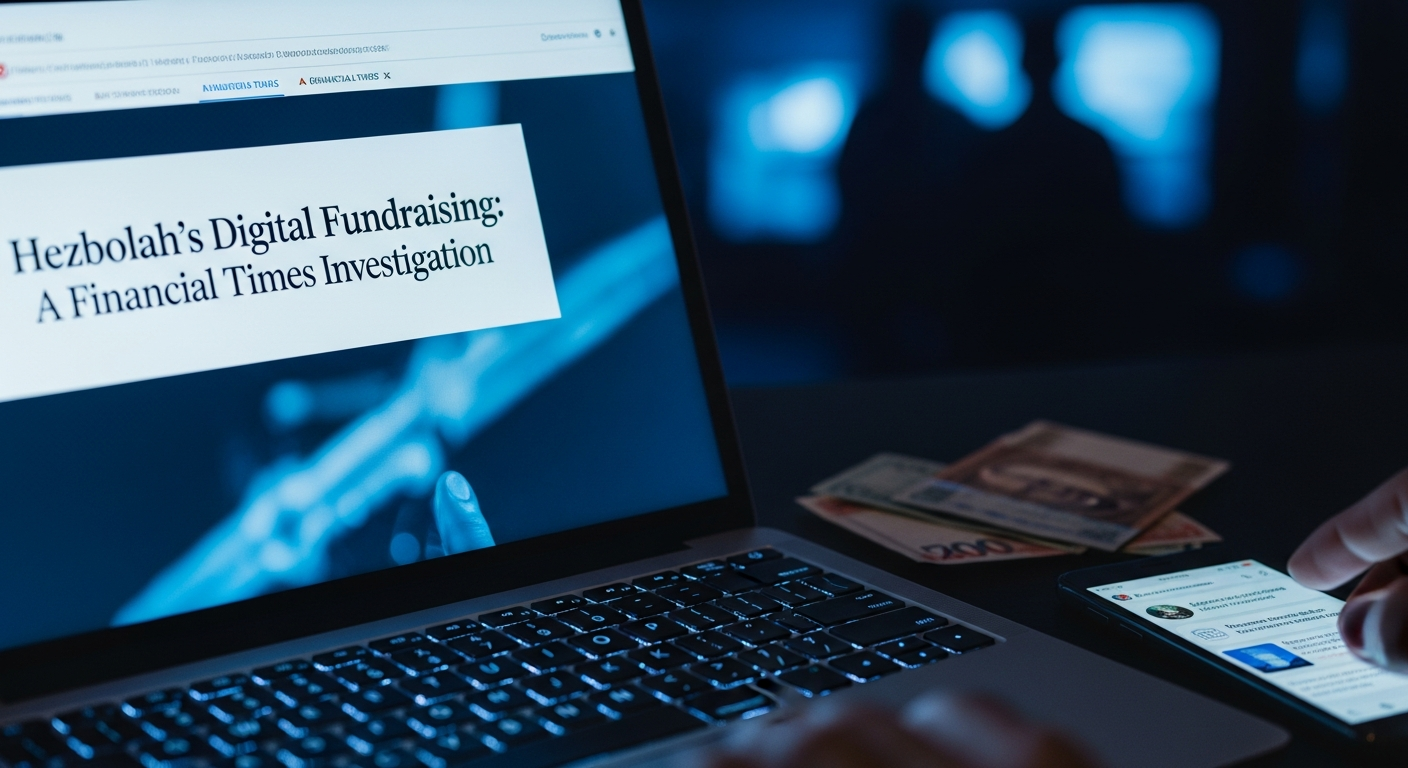
Hezbollah’s Digital Fundraising: A Financial Times Investigation
A recent investigation by the Financial Times has brought to light the alleged use of digital wallets and money transfer services by Hezbollah for fundraising and financial transfers to its charitable institutions. The report has triggered significant repercussions within financial markets, prompting responses from the involved companies.
The Investigation’s Findings
The Financial Times investigation focused on Hezbollah’s utilization of digital platforms to collect donations and manage financial flows. The investigation revealed the use of digital wallets and money transfer companies for these activities. The primary aim was to understand how Hezbollah was circumventing financial regulations to gather funds.
Companies Respond to Scrutiny
In response to the investigation, the companies implicated have emphasized their adherence to strict transparency standards. They have stated that they have rigorous monitoring procedures in place and apply stringent measures to combat money laundering and terrorism financing. Furthermore, these companies have affirmed that they conduct regular audits of their users in accordance with the regulations set forth by the Central Bank and security agencies.
Commitment to Compliance
The companies involved have underscored their commitment to complying with financial regulations. They have highlighted their efforts to ensure that all transactions comply with international standards. This includes measures such as Know Your Customer (KYC) protocols and ongoing transaction monitoring.
Impact and Implications
The Financial Times investigation has highlighted the challenges of monitoring financial activities, especially when dealing with entities like Hezbollah. The investigation underscores the need for continuous vigilance and adaptation in the face of evolving financial strategies.
Conclusion
The investigation into Hezbollah’s financial practices serves as a reminder of the complex challenges in the realm of financial regulation and the constant need to adapt to new methods of financial transactions. The responses from the companies involved indicate their commitment to maintaining financial integrity and adhering to regulatory standards.
About the Author