The United Nations, Lebanon, and the Future After UNIFIL
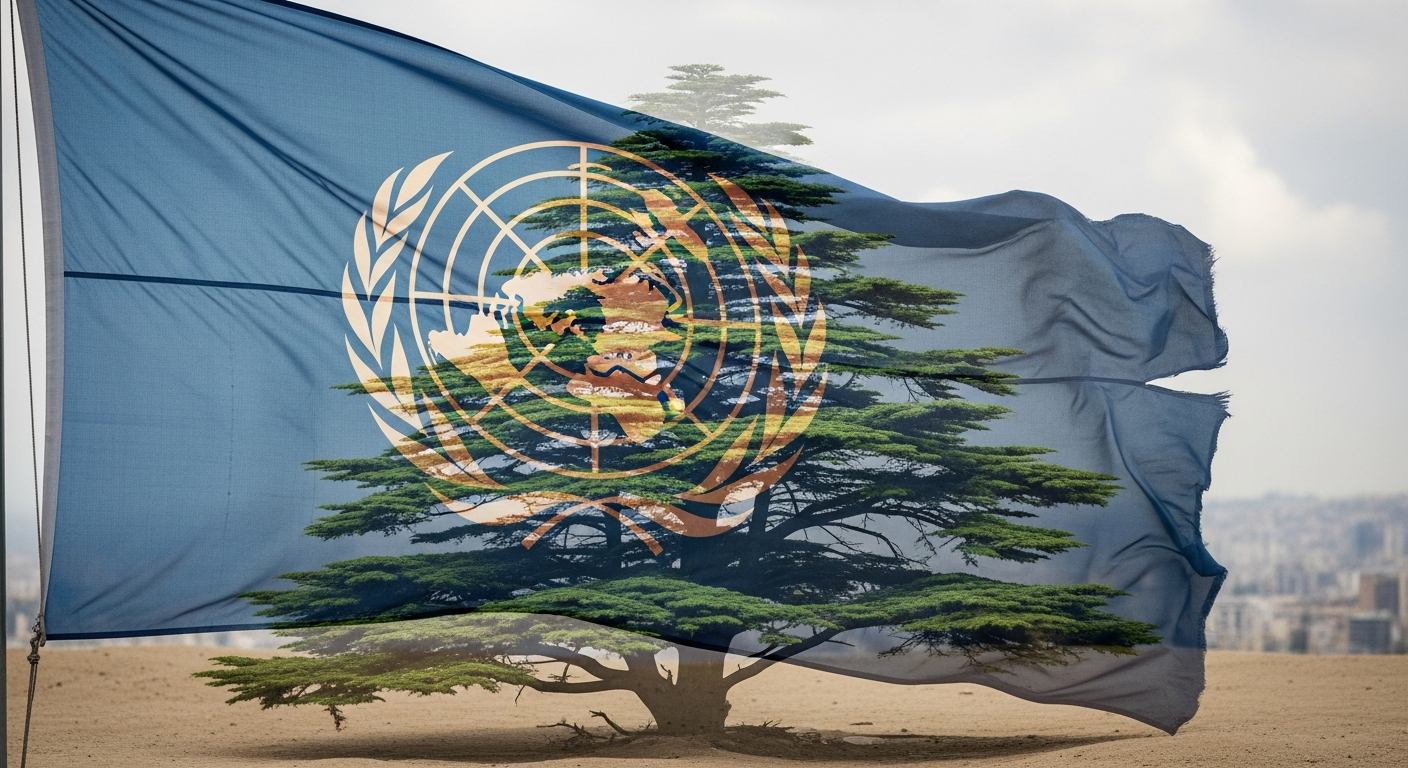
As the world marked United Nations Day on October 24, a day intended to celebrate the organization’s efforts to prevent conflicts and maintain peace, Lebanon found itself in a somber state. The Security Council’s decision to end the UNIFIL mission in southern Lebanon has raised significant concerns about the future of peacekeeping efforts in the region.
The End of an Era: UNIFIL’s Diminishing Role
Since 1978, the UNIFIL, a key entity of the United Nations, played a crucial role in monitoring the cessation of hostilities along the Blue Line. The Security Council’s decision, however, reflects a structural decline in the international organization’s influence, particularly due to profound shifts in global dynamics.
This decision, a response to the demands of the United States and Israel, highlights the complex interplay of international relations and the challenges faced by the UN in maintaining stability in conflict zones. The United Nations sought to prevent wars and maintain peace, but the changing geopolitical landscape has complicated its mission.
Challenges and Implications
The termination of UNIFIL’s mission raises questions about the future of security and stability in Lebanon and the broader region. The United Nations, through its peacekeeping operations, has often served as a critical buffer, and its reduced presence could have significant ramifications.
The evolving situation underscores the need for international cooperation and a renewed commitment to peaceful conflict resolution. The UN’s role in Lebanon and beyond highlights the challenges and complexities of maintaining peace in a world marked by shifting power dynamics and regional conflicts.
About the Author