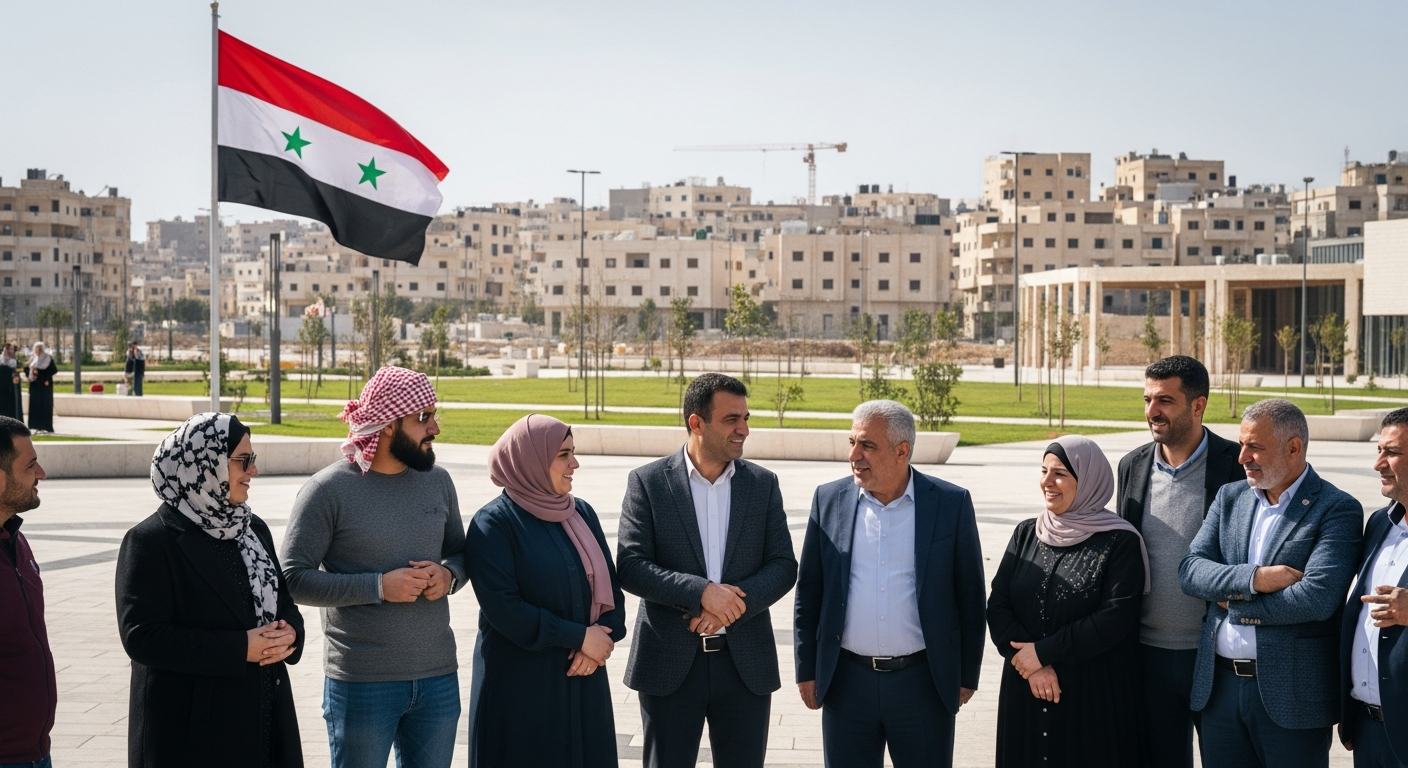
Syria’s Path Forward: Building a Stable, Civil State
The recent Investment Initiative Forum in Riyadh, Saudi Arabia, hosted a significant moment for Syria. The presence of Syrian President Ahmed Al-Sharee, alongside Saudi Crown Prince Mohammed bin Salman, signaled a potential turning point, especially considering the vast regional transformations following the October 7, 2023, events. These shifts have led to the potential fall of the former Syrian President Bashar al-Assad’s regime.
A New Vision: Investment Over Aid
During the forum, Al-Sharee outlined Syria’s vision for the relationship between politics and economics. The core strategy involves rebuilding through investment rather than relying on aid. This approach is rooted in the understanding that mutually beneficial investments, particularly with Saudi Arabia’s support, are more sustainable. Saudi Arabia, for example, aims to support Syria through a blend of humanitarian efforts and indirect support via project implementation, prioritizing governance and efficiency.
Saudi Arabia’s Role and Regional Security
Al-Sharee’s meetings with Saudi ministers and key financial figures, including the President of the Islamic Development Bank, Dr. Muhammad Al-Jasser, and Prince Nayef bin Sultan bin Muhammad, highlighted the importance of Syria’s stability for regional security. These meetings underscore Saudi Arabia’s commitment to supporting Syria’s transition from a nation burdened by war to one that can integrate into its Arab environment, contributing to security and counter-terrorism efforts.
Security as a Foundation for Development
The emphasis on strengthening state institutions, training personnel, and upholding the law is seen as crucial for preventing past abuses. Security is thus a fundamental prerequisite for future development in Syria, ensuring stability through the state rather than armed factions, regardless of their affiliations.
A Political and Economic Shift
The attendance of Crown Prince Mohammed bin Salman at the session was a significant political gesture, indicating Saudi Arabia’s recognition of Syria’s unity as vital for shared national security. The economic transformation depends on a political framework that shields Syria from renewed conflict. Saudi Arabia has the political and financial resources to create a positive environment for Syria’s recovery. However, internal reforms, led by the Syrian government, are essential.
The Path to a Civil State
The responsibility for rebuilding lies with the Syrian people, focusing on establishing modern, civil state institutions. This includes detaching the economy from undue influence and corruption, restoring faith in citizenship, and ensuring the rule of law through justice and the inclusive participation of all Syrians. This approach aims to achieve prosperity, security, and development for all.
About the Author





