El Fasher Massacres: Is Sudan Headed for Division?
The ongoing conflict in Sudan, marked by escalating violence and humanitarian crises, has raised critical questions about the country’s future. Recent events, particularly the massacres in El Fasher, have brought the nation to a precarious point, potentially leading to its division. International efforts, primarily spearheaded by the United States and the Quartet group, are focused on establishing a humanitarian truce. However, the deep-seated nature of the conflict and the actions of the warring parties cast a shadow over any prospects for a lasting resolution.
The Proposed Truce and Its Challenges
Mediated by the United States, a three-month humanitarian truce is under consideration. The initiative aims to facilitate aid delivery and provide respite from the ongoing violence. However, the history of broken agreements and the entrenched positions of the Sudanese Army and the Rapid Support Forces (RSF) pose significant challenges. The truce, if implemented, will require stringent international monitoring to prevent a repeat of past failures. The targeting of aid organizations and the looting of aid supplies, particularly in RSF-controlled areas, further complicate the situation, with many aid workers still missing.
The Role of the Quartet and International Involvement
The Quartet group, comprising the United States, Saudi Arabia, Egypt, and the United Arab Emirates, is central to the mediation efforts. Their focus is on leveraging the truce to pave the way for a political solution and direct negotiations between the warring parties. The Security Council has also weighed in, condemning the massacres and violations, while expressing concerns about food insecurity and ethnic-based atrocities. However, the Council’s past failures to achieve consensus highlight the limitations of international intervention. The involvement of external actors, who contribute to the financing and arming of the conflicting parties, further complicates the situation. (Source: Annahar)
The El Fasher Attacks and Ethnic Cleansing
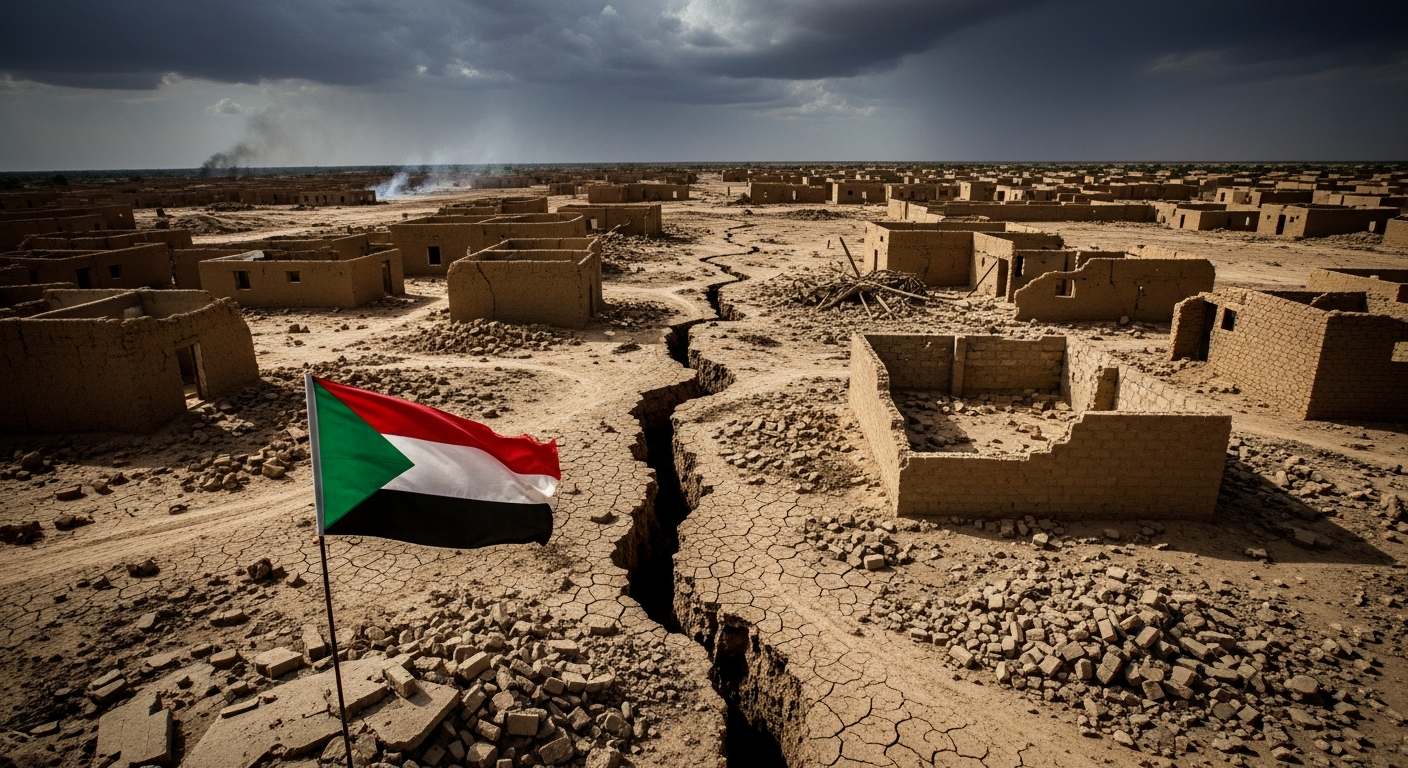
The RSF’s offensive on El Fasher, the capital of the Darfur region, marked a significant escalation of violence. The attacks, which began on October 26, 2025, involved the killing of civilians and the targeting of the Saudi hospital. The RSF’s actions, including the destruction and looting of homes and government buildings, are consistent with a pattern of ethnic cleansing targeting non-Arab tribes like the For, Zaghawa, and Berti. This pattern, reminiscent of the 2002 and 2003 events, reflects the broader context of the conflict, which has evolved into a war between the army and the RSF since mid-April 2023.
The Path to Division?
The deep-seated animosity between the Sudanese Army and the RSF, coupled with the involvement of external actors, makes a lasting resolution challenging. The exclusion of certain groups, such as the Muslim Brotherhood and supporters of the former regime, further narrows the scope for a comprehensive settlement. The RSF has already prepared for the separation of Sudan from its west, establishing a constitution and a government. With the army’s base in Port Sudan, the question remains: where can civilians find safety? The potential for the division of Sudan appears increasingly likely, raising serious concerns about the country’s future and the well-being of its people.
About the Author