SNAP Battles & Food Waste: A Crisis of Hunger and Excess in the U.S.
The U.S. currently faces a stark paradox. As political discourse surrounding the Supplemental Nutrition Assistance Program (SNAP) intensifies, many Americans grapple with the fear of hunger. Simultaneously, the nation struggles with an immense problem: the staggering waste of food. This dual challenge underscores a critical disconnect within the country’s social and economic systems.
The Political Battle and Its Human Cost
The debate surrounding SNAP, often referred to as food stamps, is a central issue in U.S. politics. This political battle has direct consequences for millions of Americans who rely on these benefits to secure basic necessities. The uncertainty surrounding SNAP funding and eligibility creates an environment of anxiety for those facing food insecurity. The very real fear of hunger looms large as a result of these ongoing political struggles.
The Scale of Food Waste: A Monumental Problem
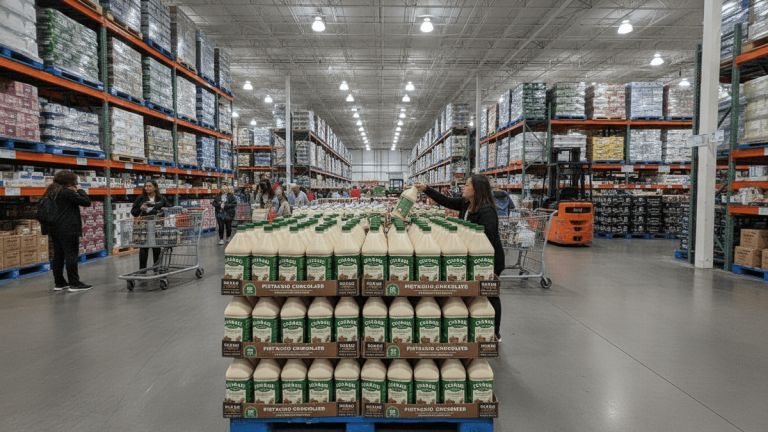
While the political wrangling continues, the U.S. grapples with a massive food waste problem. Estimates suggest that the country wastes up to an astonishing $382 billion worth of food every year. This waste represents not only a significant economic loss but also a squandering of resources, including land, water, and energy, used in food production. The scale of this waste is almost incomprehensible, especially when juxtaposed with the struggles of those reliant on food assistance.
The Intersection of Hunger and Waste
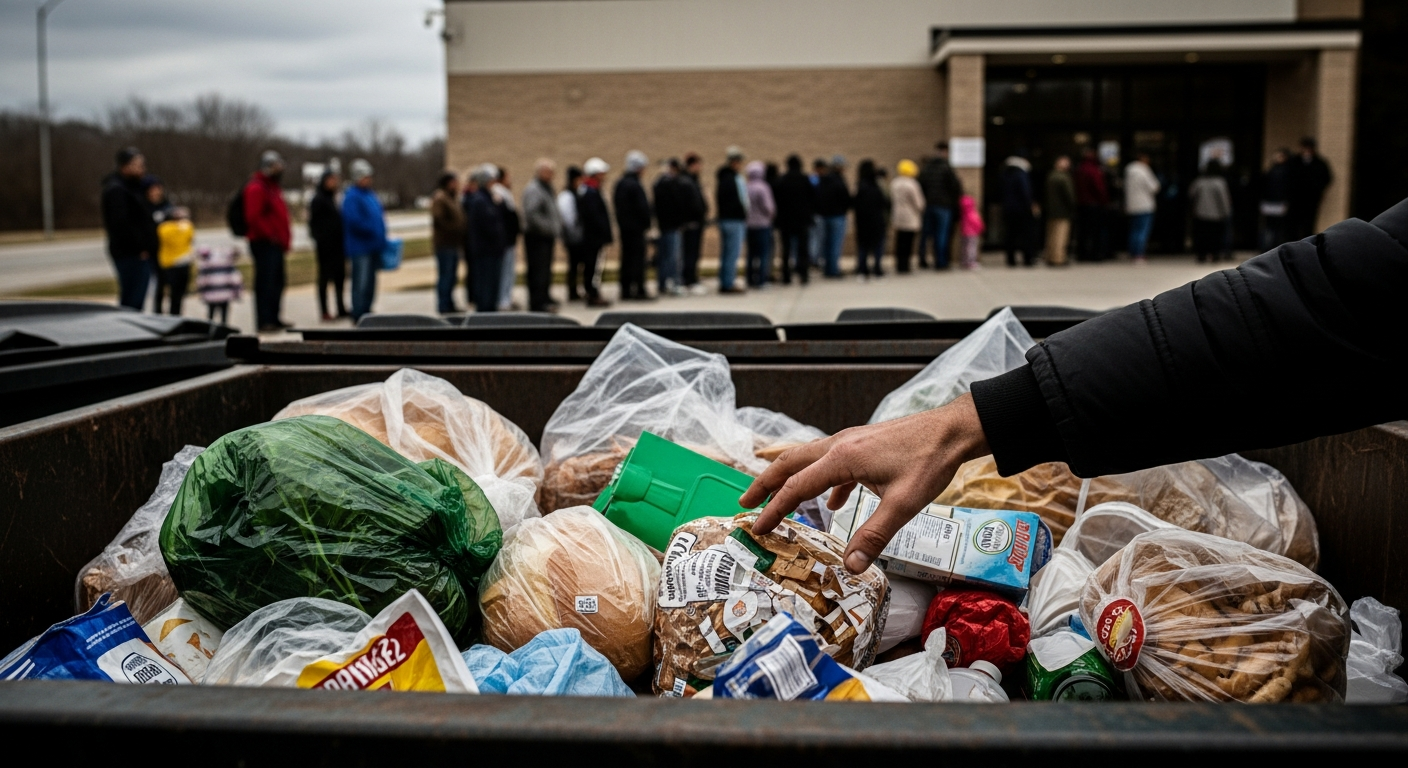
The confluence of these two issues – political battles over food assistance and massive food waste – paints a troubling picture. The fact that the U.S. can waste such a vast amount of food while many citizens face hunger underscores the inefficiencies and inequities in the current system. Addressing both issues requires a multifaceted approach that includes policy reform, increased efficiency in food distribution, and greater public awareness.
Moving Forward: Potential Solutions
Tackling this complex issue will require a concerted effort from various sectors. Policy changes that ensure adequate funding and access to SNAP are crucial. Simultaneously, initiatives aimed at reducing food waste, such as improved storage and distribution practices, are essential. Educating the public about food waste and encouraging responsible consumption habits can also play a significant role. By addressing both the political and practical aspects of this crisis, the U.S. can work towards a more sustainable and equitable food system.
Source: CNBC
About the Author