India’s ‘Bahubali’ Rocket Launches Satellite for Navy, Boosting Surveillance
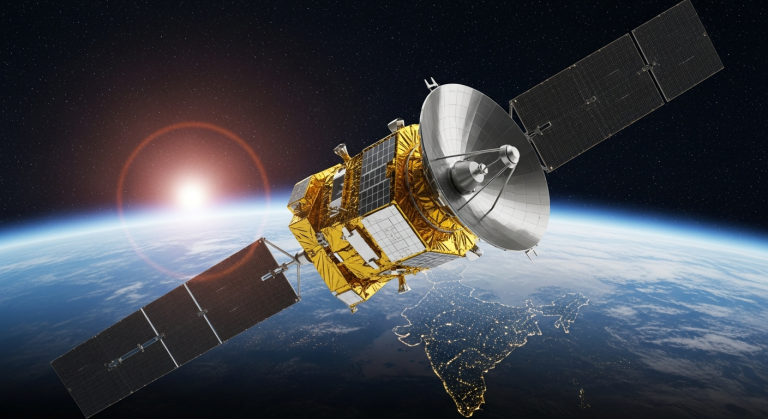
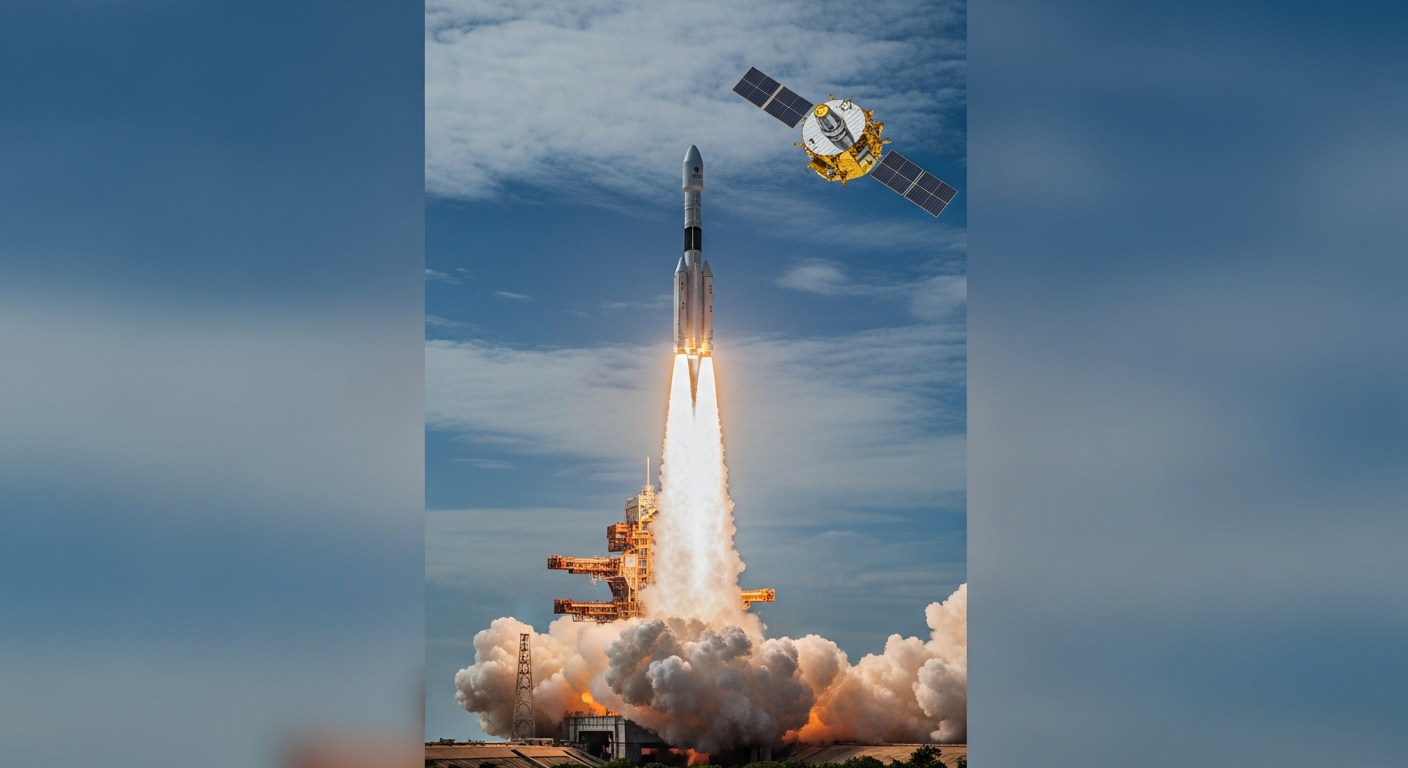
In a significant achievement for India’s space program, the Indian Space Research Organisation (ISRO) launched the CMS-03 (GSAT-7R) communication satellite on November 2nd. This launch, using the powerful ‘Bahubali’ Rocket, marks a major step forward in enhancing the capabilities of the Indian Navy. The successful deployment of this satellite is set to bolster India’s maritime surveillance and communication infrastructure.
A Boost for Naval Capabilities
The primary why behind this launch was to significantly improve the Indian Navy’s communication and maritime surveillance capabilities. The CMS-03 satellite is designed to provide advanced communication links and enhanced monitoring of the seas. This will enable the Navy to have better situational awareness and more effective control over its operations. The what involves the satellite and the rocket working in tandem, showcasing ISRO’s expertise in space technology.
The ‘Bahubali’ Rocket: A Technological Marvel
The ‘Bahubali’ Rocket, as it is popularly known, played a crucial role in this mission. The how of the launch, involving the rocket’s powerful propulsion systems, highlights ISRO’s advancements in rocket technology. This launch from where, India, further solidifies the nation’s position in space exploration and technology. The ISRO team’s dedication has once again proven its capabilities in launching complex missions into space.
Strategic Implications and Future Prospects
The launch of CMS-03 is not just a technological feat; it has significant strategic implications. By enhancing the Indian Navy’s capabilities, India reinforces its position in the region and ensures greater security for its maritime interests. As the who, ISRO, continues to push the boundaries of space exploration, future missions and technological advancements are anticipated, promising further benefits for national security and development.
Source: Punjab Kesari
About the Author