Google Maps Erases Western Sahara Border in Morocco After UN Backing
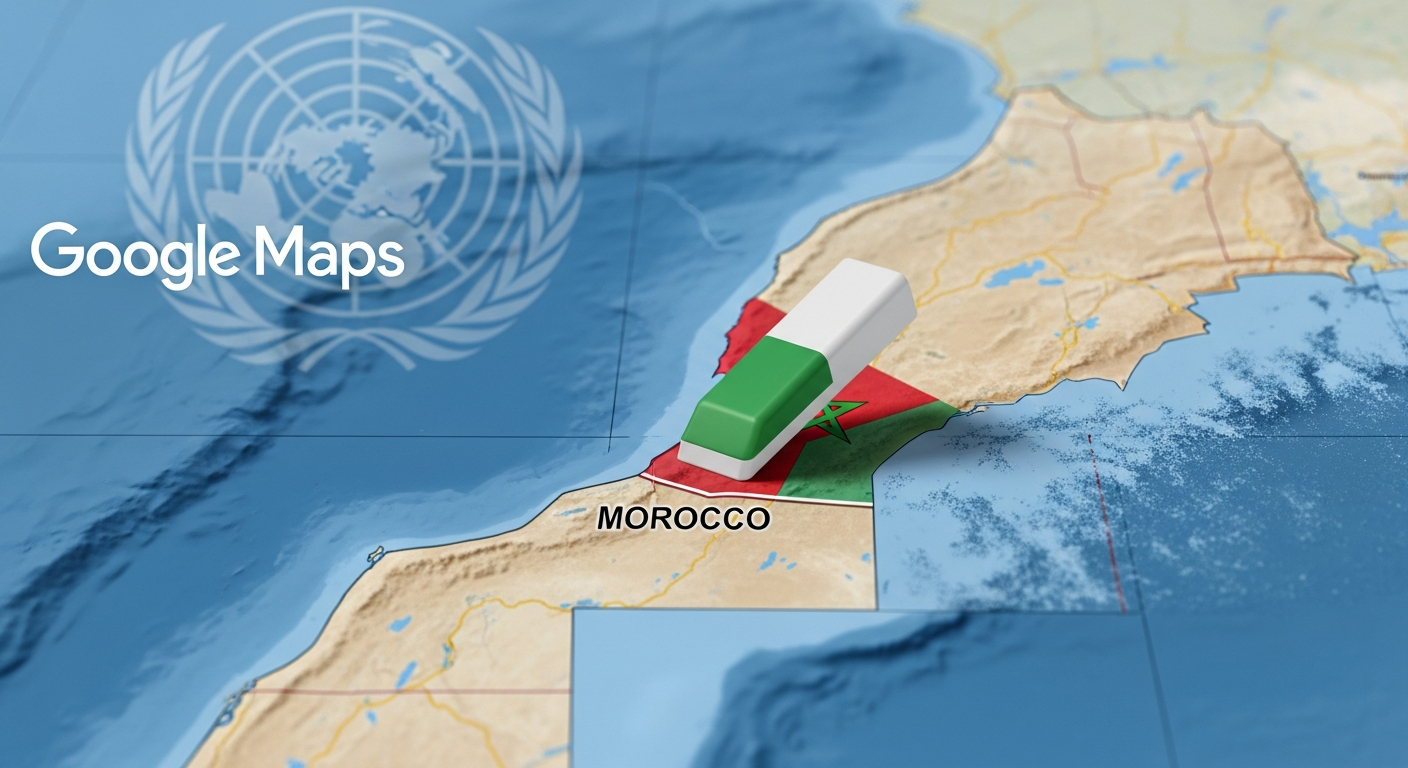
In a move that has sparked both celebration and scrutiny, the dividing line traditionally separating Morocco from Western Sahara has vanished from Google Maps within Morocco, as reported by Annahar. This alteration follows the UN Security Council’s recent endorsement of Morocco’s proposed autonomy plan for the disputed territory.
A Shift in Digital Cartography
The change, which appears to be exclusive to users in Morocco, has been met with positive reactions from Moroccan activists, who have voiced their approval on social media. However, the lines remain visible on Google Maps for users in other countries, including the United States, Cyprus, France, and Algeria. Google, the only entity capable of modifying its mapping display, has yet to comment on the matter. This geographic adjustment comes on the heels of a significant diplomatic development.
The UN’s Stance and the Autonomy Plan
On Friday, the UN Security Council expressed its support for Morocco’s autonomy plan for Western Sahara, describing it as the most realistic solution to the ongoing dispute. The Security Council’s backing of the plan, which proposes self-governance for the territory under Moroccan sovereignty, is a critical turning point. The resolution, adopted with 11 votes in favor and no opposition, with three abstentions and Algeria’s refusal to participate, acknowledges the plan as a potential basis for future negotiations to end the five-decade-long conflict.
Background of the Conflict
The Western Sahara, a former Spanish colony until 1975, is considered by the United Nations as a non-self-governing territory, with no final resolution in sight. The region is the only territory in Africa whose status remains unresolved after decolonization. The conflict involves Morocco and the Polisario Front, supported by Algeria. Until recently, the Security Council had been calling for Morocco, the Polisario Front, Algeria, and Mauritania to resume stalled negotiations. These negotiations have been suspended since 2019, aimed at achieving a realistic, lasting, and mutually acceptable political solution.
The recent decision by the Security Council, therefore, marks a significant shift, supporting Morocco’s plan for autonomy and potentially reshaping the future of the disputed territory.
About the Author