World Bank’s Priorities: Poverty vs. Climate Concerns
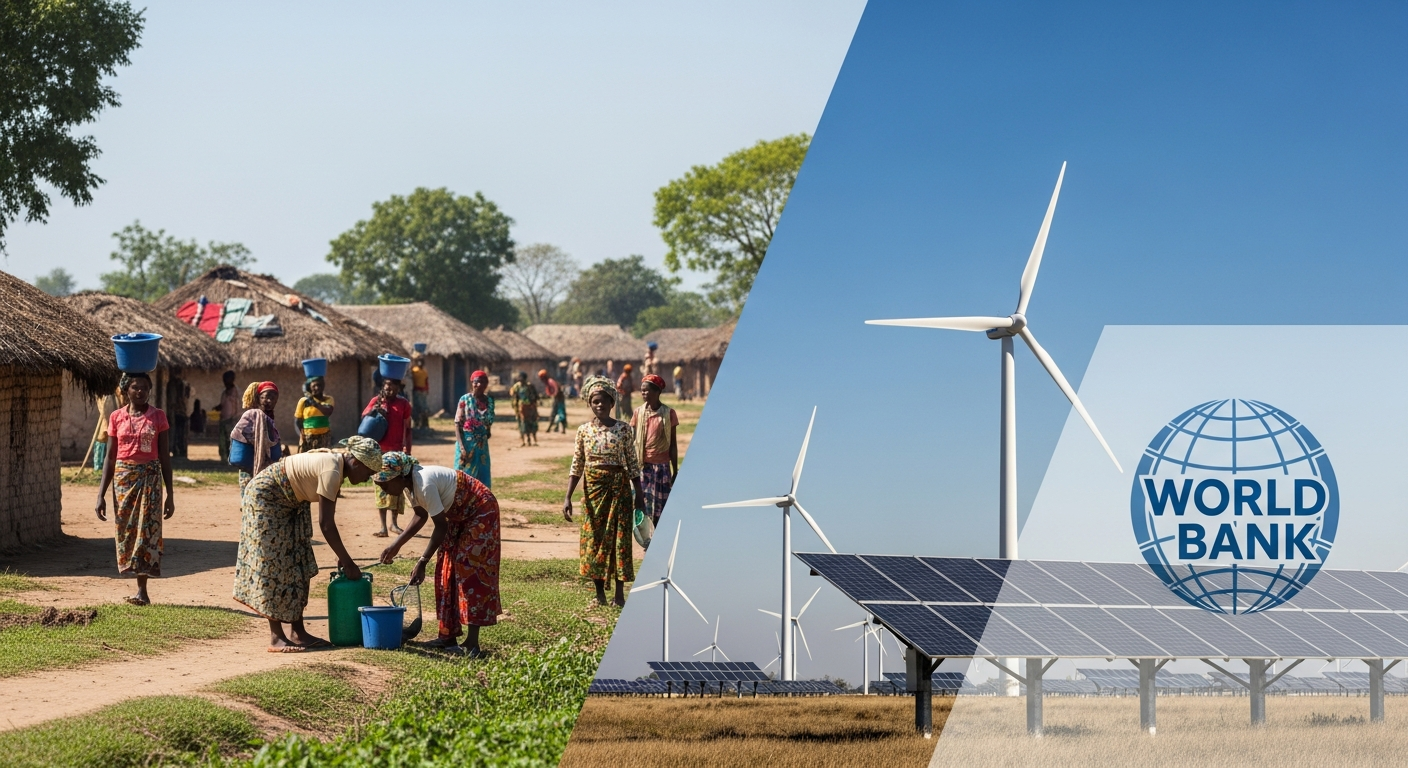
The World Bank, an institution born from the ashes of World War II to rebuild Europe, now finds itself at a crossroads. The United States, led by Treasury Secretary Scott P. Sebent, is advocating for a shift in the Bank’s focus, urging a return to its core mission: combating global poverty. This call is a response to the Bank’s increasing emphasis on climate-related projects, which some critics believe detract from the more pressing needs of developing nations.
A Shift in Priorities
Historically, the World Bank’s primary goal was to alleviate poverty worldwide. However, after the 2015 Paris Climate Agreement, the Bank, like the United Nations and other international organizations, began to allocate billions of dollars to climate projects, positioning itself as a leader in green financing. In the past year alone, the Bank invested approximately $42.6 billion in climate initiatives. Critics argue that these funds could be better utilized to address more immediate global needs. Research suggests that investments in basic development areas, such as maternal health, e-learning, and agricultural production, yield faster and more significant results than climate-focused spending.
The Debate Over Climate Action
The core issue revolves around the effectiveness of climate-focused strategies in poverty reduction. Supporting developing countries in reducing emissions offers limited benefits in terms of development or even climate indicators. While adaptation measures, such as flood defenses, are relatively more effective, they remain less impactful compared to proven development strategies. World Bank President Ajay Banga defends the climate focus, arguing that poverty and climate issues must be addressed together. However, critics counter that poverty alleviation through nutrition, healthcare, and education can make a tangible difference in the lives of hundreds of millions of people at a relatively low cost. Linking development to climate actions may not yield significant results by 2030, and its impact might remain marginal even by the end of the century.
The High Cost of Climate Policies
Experts warn that climate policies can be exceedingly expensive, potentially costing trillions of dollars, often at the expense of the poor. These policies can lead to higher energy and fertilizer prices, increasing the burden on developing nations. According to Secretary Sebent, developing nations need affordable and reliable energy to industrialize, create jobs, and achieve prosperity, mirroring the path taken by wealthier nations and China in recent decades. Many African countries face severe poverty and lack diverse energy sources, relying heavily on wood and hydropower. The reality is that a poor African citizen consumes less fossil fuel annually than an American does in under nine days.
The Challenge of Renewable Energy
The World Bank aims to provide an additional 300 million Africans with electricity by 2030 through its “Mission 300” initiative. However, this noble goal faces potential setbacks due to an overemphasis on renewable energy. The Bank’s partner, the Rockefeller Foundation, promotes the idea that renewable energy is the fastest and most cost-effective path to prosperity, a view that experts consider unrealistic. Solar and wind energy may be cheaper than fossil fuels when the sun shines and the wind blows, but they become costly when these resources are unavailable, requiring substantial reserves to ensure continuous supply. This drives up prices, leading to high electricity bills for communities dependent on them. Despite the prevailing green rhetoric, wealthy nations still rely on fossil fuels for over three-quarters of their energy needs.
A Call for Refocus
Surveys conducted by the World Bank reveal that residents of poor countries do not prioritize climate issues in their daily lives. While some African leaders eloquently discuss environmental issues in meetings with the Rockefeller Foundation or the World Bank, the reality is different. In the past year, Africa added only five kilowatt-hours of electricity per capita from solar and wind sources, while adding almost five times that amount from fossil fuels, due to their lower cost and higher reliability. Across all energy types, Africa’s consumption of solar and wind energy increased slightly, while fossil fuel consumption increased by 22 times.
While global climate change necessitates global action, it should not come at the expense of the poor. Instead of imposing costly policies on developing nations, wealthy governments should invest in research and development to produce advanced green technologies that are affordable and accessible to all, both rich and poor. Only in this way can the world address the climate crisis without sacrificing its most vulnerable populations.
In conclusion, more countries should join the effort to refocus the World Bank on its primary mission: poverty reduction. Redirecting development funds to climate initiatives is not a shift in priorities but a disregard for the suffering of millions who struggle to survive. As Bjorn Lomborg, President of the Copenhagen Consensus and a visiting fellow at the Hoover Institution at Stanford University, and author of
About the Author