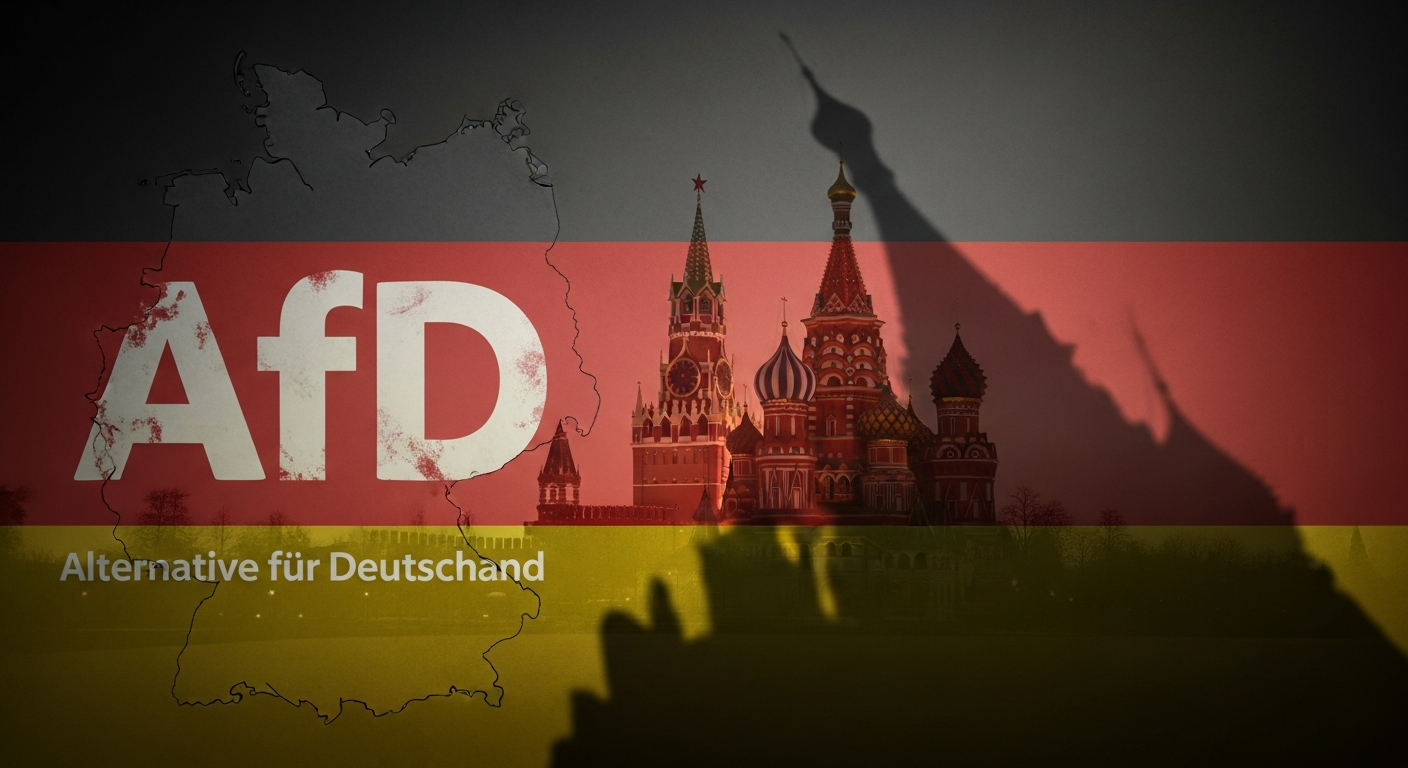
Germany Faces Espionage Allegations: Is the AfD Spying for Russia?
Germany is grappling with serious allegations of espionage, casting a shadow over the Alternative for Germany (AfD) party. Recent statements by Thuringia’s Interior Minister, Georg Maier, have ignited a political firestorm, accusing AfD parliamentarians of acting under the direction of the Kremlin. The core of the accusation centers on the nature and scope of parliamentary inquiries, specifically those concerning Germany’s critical infrastructure. (Source: Annahar)
The Accusations: Questioning Germany’s Defenses
The central concern revolves around the AfD’s parliamentary inquiries. Reports indicate that AfD members have submitted numerous questions to the government, particularly in Thuringia, about sensitive areas like defense and military logistics. These inquiries, according to critics, appear to gather information that could be valuable to Russia. For instance, in September 2025, Ringo Mullman, an AfD member, inquired about military transport routes and stopping points across Thuringia since 2022. Similar concerns have been raised in other states like Brandenburg, where comparable inquiries are suspected of being compiled for Russia.
Federal Interior Minister Alexander Dobrindt has confirmed ongoing investigations into AfD members and employees, emphasizing the need to determine the extent of these connections. Dobrindt pointed out the concerning trend of AfD members visiting the Russian embassy. He stated that the party is acting as a pro-Putin German party, fueling suspicions that this goes beyond mere political sympathy. (Source: Annahar)
Concerns Over State Secrets
Political science researcher Norbert Dirksen highlights that the discussion around the AfD’s relationship with Russia isn’t new, but it has gained momentum due to the war in Ukraine and the current geopolitical tensions. Dirksen suggests that if the AfD’s inquiries are intentionally used for espionage, it would violate national principles and pose a direct threat to internal security. Article 67, paragraph 3 of the Thuringian constitution allows the government to decline detailed answers if they jeopardize state secrets. The fear is that sensitive information could fall into the wrong hands. (Source: Annahar)
A Pattern of Suspicion
The AfD’s actions are seen by some as deliberately harming Germany and acting as a voice for authoritarians. Mark Henrichmann, the head of the parliamentary oversight committee in the Bundestag, has stated that Russia is exploiting the AfD’s presence in German parliaments for espionage purposes. He emphasizes that there is strong evidence to support this claim, especially considering the party’s past stances, including its questioning of the poisoning of Alexei Navalny in 2020. Henrichmann views Putin as using the AfD as a tool within Germany and calls for an end to what he calls treason. He believes that it is no longer possible to provide sensitive information in writing to AfD representatives. (Source: Annahar)
The allegations against the AfD are serious, raising significant questions about national security, the integrity of democratic processes, and the influence of foreign powers within Germany. The unfolding investigations will likely have far-reaching implications, shaping the political landscape and potentially impacting Germany’s relationships on the global stage.
About the Author