US-China Deal: Implications for India’s Trade and Diplomacy
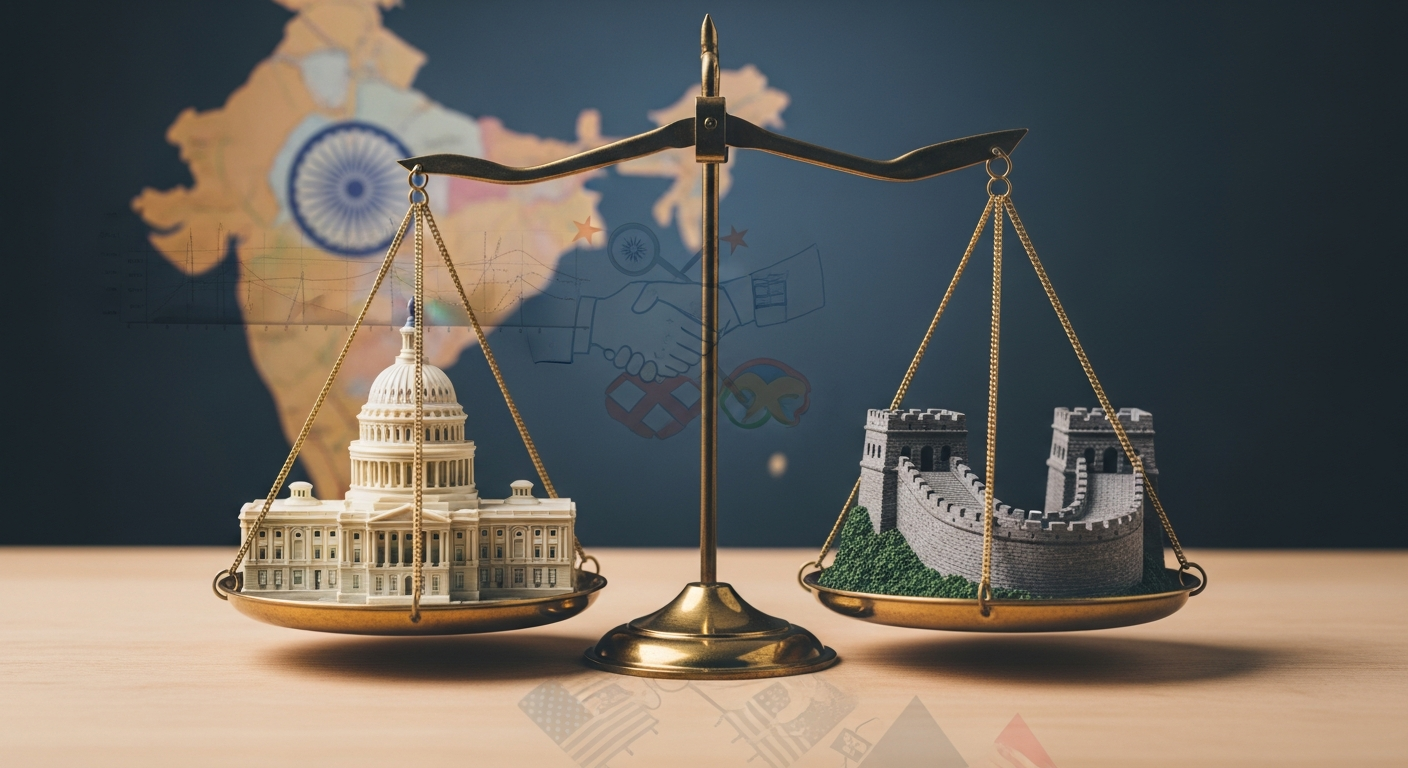
The recent meeting between Donald Trump, the American President, and Xi Jinping, the Chinese President, in Busan, South Korea, marked a significant event in international relations. This meeting, which took place after a gap of six years, has sparked optimism, primarily due to the potential for renewed trade facilitation between the two global powerhouses. The outcomes of this interaction are particularly relevant for India, as shifts in US-China dynamics invariably have ripple effects across the global economy.
The US-China Trade Deal: A Positive Outlook
The core of the positive sentiment stems from the agreement to ease trade tensions. Donald Trump has, with immediate effect, reduced tariffs on Chinese goods by 10 percent. This decision is a crucial step towards fostering a more stable trade environment, which benefits not only the US and China but also the broader international community. The reduction in tariffs is a direct result of the meeting in Busan, where both leaders sought to find common ground and de-escalate trade disputes.
Impact on India
As America and China navigate their trade relations, India must carefully assess the implications. The easing of tariffs could lead to shifts in global trade patterns, potentially affecting India‘s exports and imports. Furthermore, any changes in the economic balance between America and China could influence India‘s strategic positioning in the international arena. The trade deal, therefore, necessitates a proactive approach from India to safeguard its economic interests and diplomatic relations.
Strategic Considerations
For India, the evolving dynamics between America and China present both challenges and opportunities. The reduction in tariffs could make Chinese goods more competitive, potentially impacting India‘s domestic industries. However, it also opens avenues for India to strengthen its trade ties with both nations. India‘s policymakers must formulate strategies to leverage these opportunities while mitigating potential risks. This requires a nuanced understanding of the trade deal and its long-term effects.
Conclusion
The recent developments in US-China relations, particularly the trade deal facilitated by the meeting in Busan, have significant implications for India. As the global landscape continues to evolve, India must remain vigilant and adaptable. By closely monitoring these developments and strategically aligning its economic and diplomatic policies, India can navigate the complexities of international trade and secure its position on the world stage.
About the Author