Orlando Airport Grounded: Air Traffic Controller Shortage Disrupts Flights
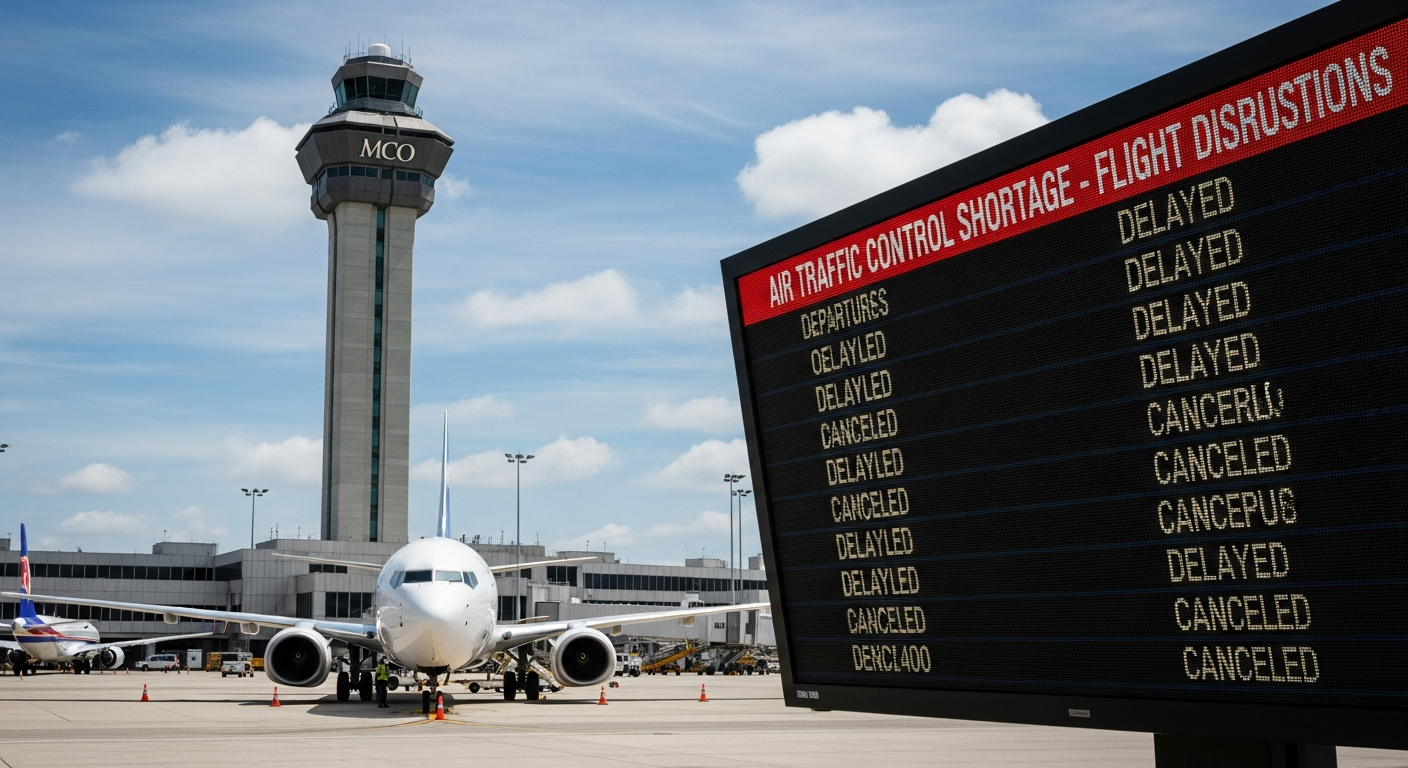
Orlando International Airport (MCO), one of Florida’s busiest airports and a key gateway for tourists visiting Disney World, was forced to halt all flights. The disruption, which occurred during a government shutdown, was directly attributable to an air traffic controller shortage. This situation underscores the critical role of air traffic controllers in ensuring safe and efficient air travel.
The Impact of the Staffing Crisis
The flight cancellations at Orlando Airport stemmed from a staffing crisis among air traffic controllers. This shortage compromised the airport’s ability to manage air traffic safely, leading to the decision to turn away all incoming and outgoing flights. The government shutdown exacerbated the problem, as it potentially impacted staffing levels and morale within the Federal Aviation Administration (FAA), the agency responsible for air traffic control.
The situation in Florida highlights the broader challenges facing the aviation industry. A shortage of qualified air traffic controllers can have far-reaching consequences, affecting not only individual travelers but also the broader economy. Flight delays and cancellations can lead to missed connections, lost business opportunities, and significant financial losses for airlines and related businesses.
The Role of Air Traffic Control
Air traffic controllers are essential personnel who ensure the safe and orderly flow of air traffic. They provide critical instructions and guidance to pilots, managing the separation of aircraft and coordinating movements on the ground and in the air. Their expertise is crucial in preventing accidents and ensuring that flights operate smoothly.
The Broader Implications
The events at Orlando Airport serve as a stark reminder of the potential consequences of understaffing in critical infrastructure. The air traffic controller shortage, coupled with the government shutdown, created a perfect storm of disruption. This situation underscores the importance of adequate staffing and resources for essential services that keep the nation moving. This situation also put a spotlight on Disney World, as many travelers were likely attempting to reach the resort for their vacations, only to be turned away.
Looking Ahead
As the aviation industry recovers from the effects of the air traffic controller shortage, it is essential to address the root causes of the staffing crisis. This may involve increasing recruitment efforts, improving training programs, and ensuring that air traffic controllers receive the support and resources they need to perform their jobs effectively. The ability to mitigate future disruptions depends on proactive measures taken to maintain a well-staffed and resilient air traffic control system.
About the Author