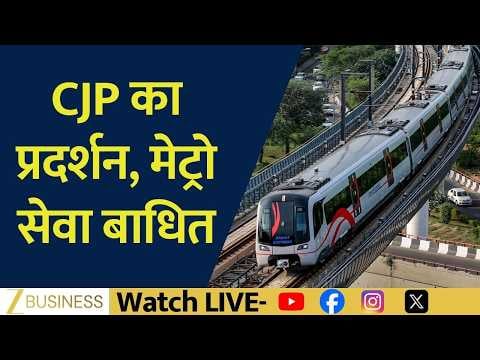
Delhi’s central district is under heightened security today, with 16 metro stations, including key hubs like Lok Kalyan Marg and Rajiv Chowk, shut down from 7:30 AM until further notice. This precautionary measure comes amidst ongoing CJP (presumably student) protests, which have seen significant escalation, including clashes between demonstrators and security forces.
The closures follow a night of confrontation where student protesters reportedly engaged in stone-pelting, met with a lathi-charge from the Rapid Action Force (RAF) and Delhi Police. Multiple police officers and students sustained injuries. This marks the second consecutive day of metro station closures, severely impacting daily commutes and business operations within the capital.
Amidst the escalating tensions, the Government of India has extended a second invitation for dialogue to CJP representatives. This renewed offer, reportedly channeled through the police, follows an earlier attempt by BJP President JP Nadda. However, CJP has expressed dissatisfaction with previous interactions, citing wasted time and unproductive discussions at government officials’ residences. They are now demanding talks be held at a neutral venue, such as Jantar Mantar, refusing to meet at JP Nadda’s home. As of now, CJP has not formally responded to the latest invitation.
For businesses and daily commuters, the continued disruption poses significant challenges. The closure of central metro lines not only bottlenecks traffic but also impacts accessibility to key government and commercial areas. The government’s persistent outreach indicates a desire to de-escalate, yet CJP’s demand for a neutral forum highlights a deep-seated distrust. The standoff underscores the complexities of managing public dissent while maintaining order, with no immediate resolution in sight for Delhi’s public transport and political unrest, as reported by Zee Business.
About the Author