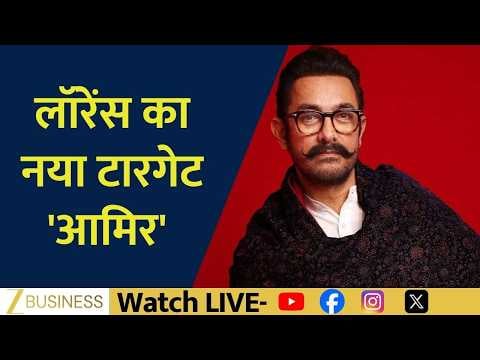
Bollywood luminary Aamir Khan is reportedly facing a wave of alleged threats on social media, with posts purportedly linked to the notorious Lawrence Bishnoi gang. The viral messages, attributed to individuals identified as Arzoo and Tyson Bishnoi, accuse the actor of promoting ‘love jihad’ and being antagonistic towards ‘Sanatan’ values and the nation itself.
These allegations, which have gained rapid traction across social platforms, include strong language and implied threats. However, it is crucial to note that these claims and the authenticity of the viral posts have not been independently verified or officially confirmed by any law enforcement agency or Khan’s representatives. The unconfirmed nature of these threats underscores a broader challenge in the digital age: the rapid dissemination of unverified information and the potential for online vigilantism to target public figures.
The Unconfirmed Allegations
The core of the controversy stems from social media posts asserting Khan’s involvement in promoting ‘love jihad,’ a contentious term often used to describe alleged efforts by Muslim men to convert non-Muslim women through marriage. Coupled with accusations of being anti-‘Sanatan’ (referring to Sanatana Dharma, often associated with Hinduism) and anti-national, these claims paint a picture of ideological opposition.
For startup founders and investors, this incident serves as a stark reminder of the volatile landscape of public perception, especially for brands and individuals with significant public profiles. The speed at which unverified accusations can spread and coalesce into a public narrative, even without official confirmation, presents a considerable risk to reputation and brand equity. Managing such crises requires robust digital monitoring and a clear strategy for addressing misinformation.
The Digital Battleground
The alleged threats highlight the growing complexities of operating in a hyper-connected world where social media platforms can quickly become battlegrounds for ideological conflicts. While the specific details surrounding the Lawrence Bishnoi gang’s alleged involvement remain unconfirmed, the incident underscores the vulnerability of public figures to online harassment and the weaponization of social media for propagating unverified claims and intimidation.
This situation also implicitly raises questions about platform accountability and content moderation. For any business or public entity, understanding the dynamics of online discourse and the potential for reputational damage from unverified claims is paramount. The current lack of official confirmation regarding these threats against Aamir Khan means the situation remains fluid, but its impact on public discourse is already evident.
About the Author