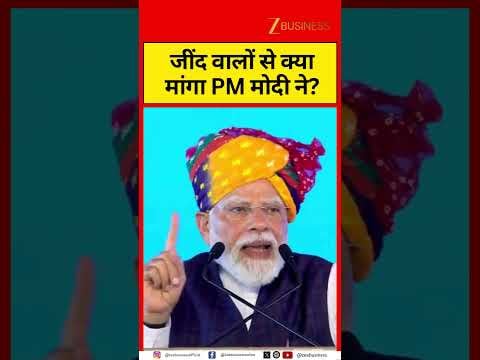
Prime Minister Narendra Modi recently delivered a direct message to the residents of Jind, Haryana, shifting the focus from his personal presence to their collective responsibility for civic upkeep. Addressing a public gathering, PM Modi acknowledged a social media user’s suggestion that his frequent visits were essential to maintain cleanliness in Jind.
While expressing gratitude for the sentiment, PM Modi immediately challenged the audience. “Tell me, is Modi’s presence necessary for this cleanliness, for this sanitation?” he questioned. He then urged the people of Jind and Haryana to adopt cleanliness not as a temporary measure, but as an ingrained habit and a fundamental part of their culture. “If the people of Jind decide, if the people of Haryana decide that we will no longer create filth, then will Jind ever be dirty? Will filth come to Haryana?” he pressed.
This strategic pivot underscores a broader approach to public initiatives: empowering local communities to take ownership rather than relying on external oversight. By emphasizing that his presence is not required—only the collective will of the people—PM Modi highlights the importance of decentralized responsibility. For businesses and organizations, this reflects a crucial lesson in fostering sustainable practices: true change often comes from internalizing values and making them an integral part of daily operations, rather than depending on top-down directives or periodic interventions. It’s about building a self-sustaining system where cleanliness becomes a shared community asset.
About the Author