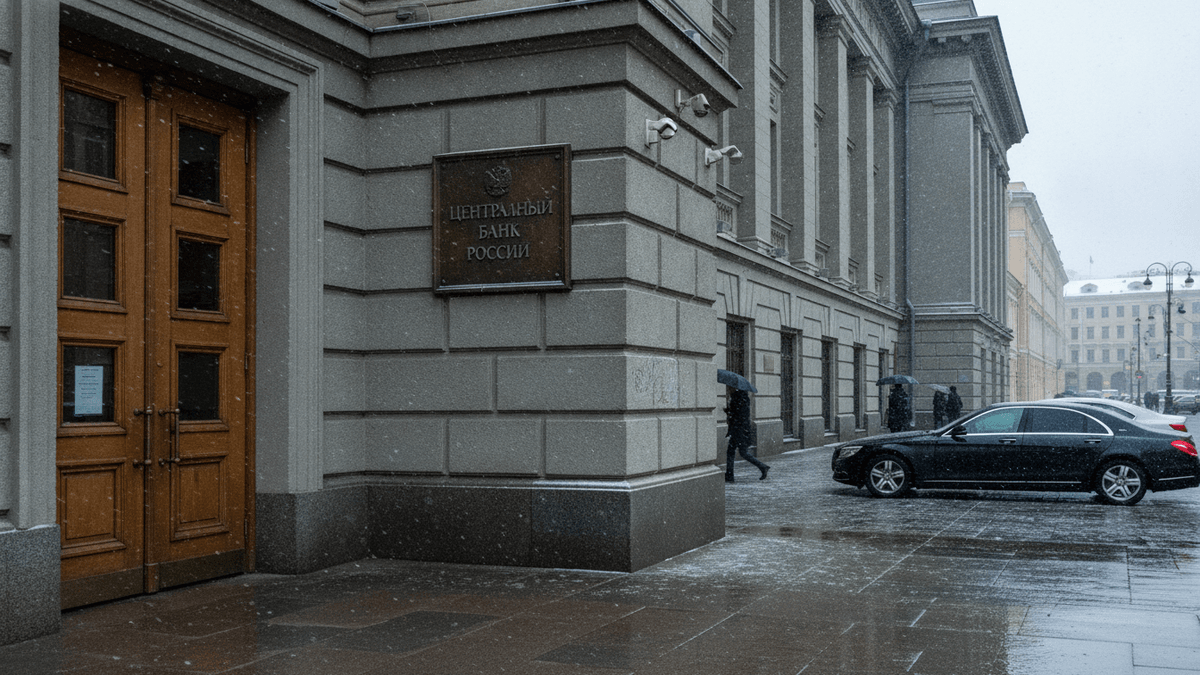
Exterior of the Central Bank of Russia building during light snowfall
Dutch banking giant ING has scrapped its planned sale of its Russian business to Global Development JSC, citing significant doubts about securing the necessary regulatory approvals. This move, announced recently, underscores the formidable hurdles foreign companies face in fully divesting from Russia amidst a complex geopolitical landscape.
The Amsterdam-based lender had initially targeted a January 2025 exit, a process initiated nearly three years after the invasion of Ukraine. However, ING now states there’s “no realistic expectation” of the buyer obtaining the required green light from Russian authorities. This cancellation leaves ING searching for alternative pathways to withdraw from a market where it “sees no future.”
This setback highlights a stark reality for multinational corporations attempting to untangle their operations from Russia. While ING anticipates a similar financial impact from any alternative exit route – previously estimating a €700 million hit to profits – the sheer difficulty in securing approvals for such transactions is a critical strategic consideration. Russia’s stringent government conditions on foreign exits have created a high barrier, making clean breaks exceptionally challenging.
The situation contrasts sharply with the experience of US banking peer Citigroup, which successfully offloaded its Russian subsidiary to Renaissance Capital in February. This divergence suggests that while some exits are possible, the path is far from uniform, often depending on the specific asset, buyer, and perhaps the political leverage or timing of the deal. For ING, which has already substantially reduced its exposure to Russia since early 2022, the search for a viable exit continues, with the financial sector watching closely for how other companies might navigate similar impasses.
About the Author